2025-11-13
Is Overseas Warehouse Cost = First-Mile Fee? A Complete Breakdown of Cost Components Every Seller Must Understand
As a crucial component of cross-border e-commerce logistics, the convenience that overseas warehouses bring to sellers is evident. Many sellers even assume that overseas warehouses are only affordable for large-scale sellers and must come with high costs. But is this really the case? Below, we will break down the components of overseas warehouse costs from a seller’s perspective.
Is Overseas Warehouse Cost Equal to First-Mile Fee?
The first-mile is just one link in the overseas warehouse system, so it cannot cover the entire cost of the overseas warehouse service. The cost of shipping products from a seller’s domestic location to the overseas warehouse is called the first-mile fee. Other associated fees include local fees, ocean freight (or air freight), destination port fees, customs clearance fees, palletizing fees, and last-mile delivery fees (here, "last-mile" refers to the transportation of products to the overseas warehouse after they arrive at the destination country/region).
Typically, the first-mile is carried out via ocean freight or air freight. For air freight, costs include shipping fees, customs duties, and fuel surcharges; for ocean freight, there are more associated fees, such as shipping fees, taxes, customs declaration fees, cabin rental fees, container rental fees, and palletizing fees.
While the list of fees may seem lengthy, sellers do not actually need to pay all of them. On average, the total cost is acceptable for most sellers.
Components of Overseas Warehouse Fees
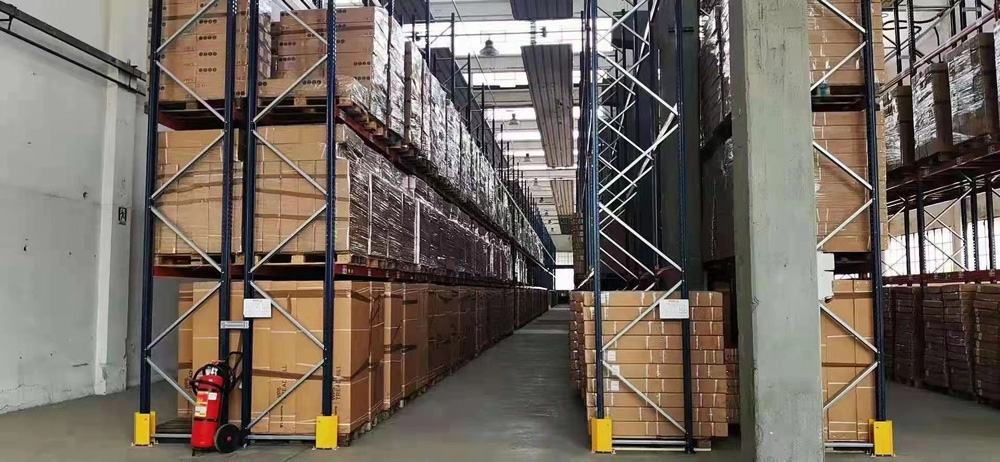
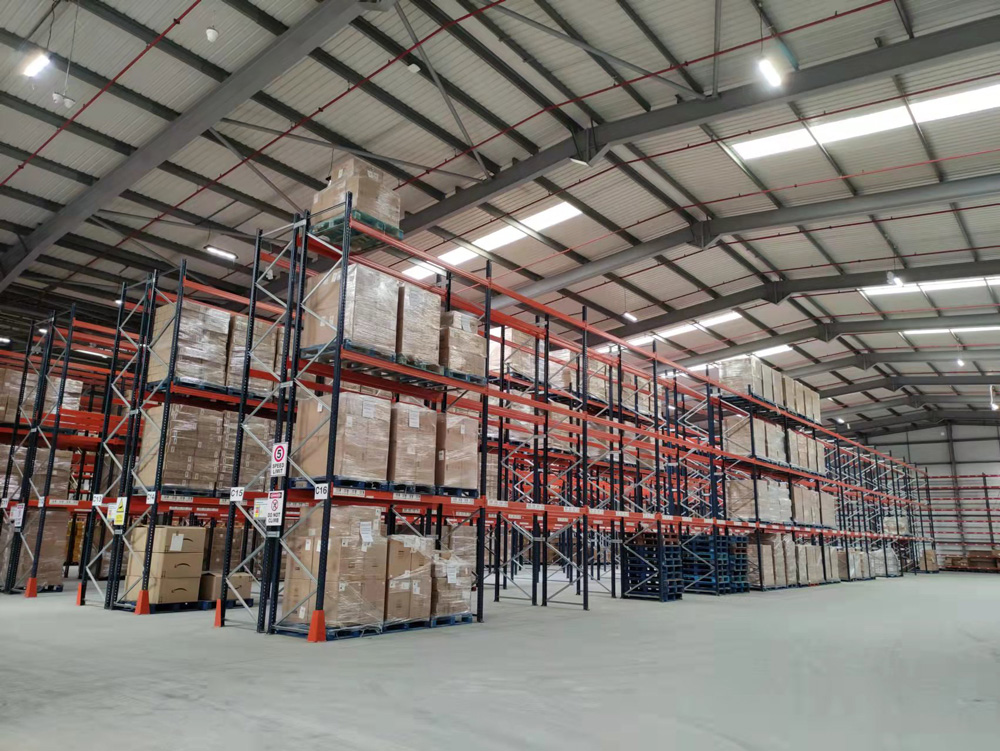
Sellers will encounter various fees when using overseas warehouse services, which are determined by their specific needs—fees are only charged for services that are utilized. These fees can be categorized into three main types: basic storage fees, handling fees, and value-added service fees.
Basic storage fees: Easy to understand, these are calculated based on the volume of the seller’s products and the length of storage time.
Handling fees: Refer to labor costs involved in product allocation, such as counting, warehousing, and data entry.
Value-added service fees: Cover a wide range of services, which vary by service provider. For example, Worry-Free Overseas Warehouse can provide sellers with services such as dropshipping, return and label replacement, transit and replenishment, product quality inspection, last-mile delivery, intellectual property support, and VAT tax services.
How Do Sellers Calculate Overseas Warehouse Fees?
Let’s take an example: A seller first ships a batch of products to an overseas warehouse, and at this stage, they need to pay the first-mile fee to the freight forwarder. After the products arrive at the overseas warehouse, undergo processes such as counting and warehousing, and are stored there, the seller must pay storage fees and handling fees to the service provider.
If the seller needs to replenish inventory to Amazon FBA, transit and replenishment fees will be incurred. If they need to re-label overstocked FBA inventory




 Welcome to contact us